How Proper Lawn Mowing Supports Lawn Health
FORUDUNEDIN Lawn Mowing & Gardening explains how correct mowing practices affect lawn health and long-term turf condition across Dunedin City.
Why Mowing Height Really Matters
Maintaining an appropriate mowing height is critical to how lawns grow, recover, and tolerate stress over time.
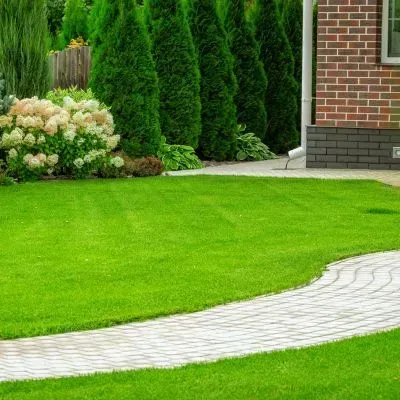
- Grass leaves capture sunlight and produce energy needed for root development.
- Cutting lawns too short reduces leaf surface area and limits energy production.
- Repeated low cutting weakens root systems and reduces turf density.
- Lawns maintained at moderate heights generally develop stronger, deeper roots.
- Healthy root systems improve lawn resilience during dry or wet periods.
- For many residential lawns, maintaining a mowing height of 40-60 mm supports healthy growth while protecting root strength and surface coverage.
How Mowing Affects Drainage and Lawn Stability
While mowing does not correct underlying drainage issues, mowing practices can significantly affect how water behaves at the lawn surface.
- Scalped or uneven lawns expose soil, increasing the risk of compaction.
- Compacted soil absorbs water more slowly, leading to pooling and runoff.
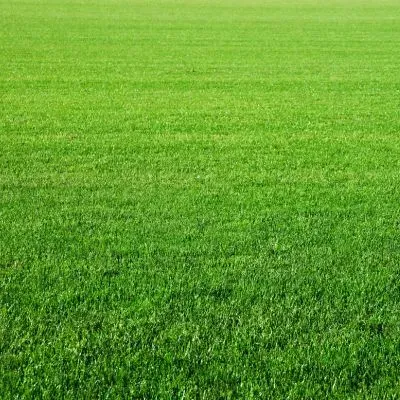
- Dense, evenly maintained turf helps slow surface water movement.
- Consistent grass coverage supports more uniform moisture distribution.
- Poor mowing practices can worsen surface softness and muddy conditions.
The Impact of Mowing Frequency on Turf Recovery
How often a lawn is mowed affects how well it recovers between cuts and maintains consistent growth patterns.
- Removing large amounts of growth at once stresses grass plants.
- Infrequent mowing often results in aggressive cuts, slowing recovery.
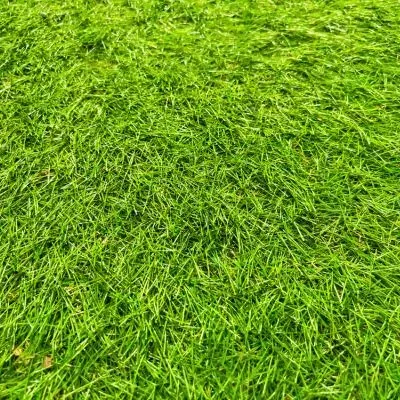
- Regular mowing removes smaller amounts of growth each visit.
- Consistent cutting supports steadier growth and improved turf density.
- Lawns maintained on a regular schedule tend to recover faster after mowing.
Local Conditions Affect How Lawns Respond to Mowing
Lawn performance is influenced by local environmental conditions, which affect growth rates and recovery after mowing.
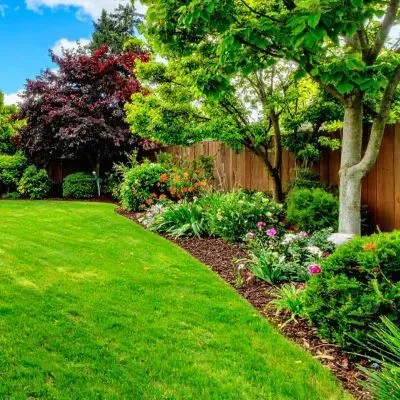
- Growth rates vary depending on moisture, temperature, and seasonal conditions.
- Lawns may recover more slowly during cooler or wetter periods.
- Cutting height and frequency often need adjustment as conditions change.
- Local climate patterns affect turf resilience year-round.
Understanding these environmental influences helps explain why mowing height, timing, and frequency often need to be adjusted throughout the year.
For a broader overview of how weather and seasonal patterns affect outdoor spaces, see our guide to local climate and yard care conditions in Dunedin City.
Why Consistency Matters More Than Perfection
Long-term lawn condition is shaped far more by consistent, well-timed care than by achieving a perfectly short finish at any single mow.
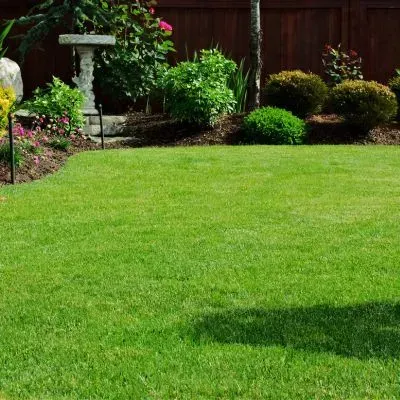
- Lawns adapt to predictable mowing routines over time.
- Regular maintenance reduces stress caused by fluctuating cutting patterns.
- Consistent height promotes uniform growth and improves turf density.
- Stable mowing practices help lawns better tolerate seasonal variation.
- Sudden changes in mowing height can disrupt turf balance and recovery.
When Professional Mowing Helps Protect Lawn Health
Correct mowing involves more than cutting grass shorter; it requires understanding how turf responds to timing, height, and frequency.
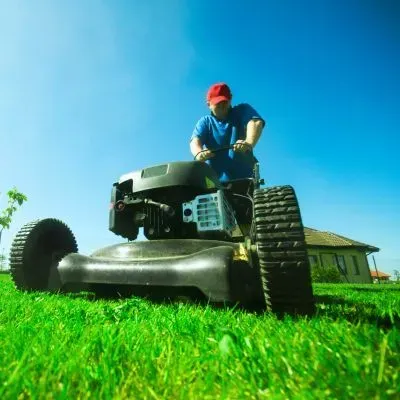
- Maintaining appropriate cutting heights reduces long-term turf stress.
- Consistent mowing schedules help prevent uneven growth patterns.
- Proper technique avoids repeated scalping of the same areas.
- Experience helps identify when to adjust mowing to suit conditions.
Next Steps for Healthier Lawn Maintenance in Dunedin
Understanding how mowing height, frequency, and consistency affect lawn performance is key to maintaining strong, resilient turf over time.
If you’re planning work at your property or want to better understand what’s involved, you can also learn more about our lawn care services in Dunedin City.
Ready to support long-term lawn health with consistent, well-planned mowing? Call 03 242 3172 or complete our CONTACT FORM for a fast, free, no-obligation quote!