How Proper Hedge Trimming Supports Long-Term Health
FORUDUNEDIN Lawn Mowing & Gardening explains how proper hedge trimming supports plant health and long-term structure across Dunedin City.
Why Trimming Technique Influences Hedge Density
Correct hedge trimming directly affects how plants branch, thicken, and recover after each cut throughout the growing season.

- Light, regular trimming encourages lateral branching and fuller outer growth.
- Removing excessive growth at once can shock some hedge species and slow recovery.
- Balanced shaping helps distribute sunlight evenly across the hedge surface.
- Cutting too deeply into old wood may limit regrowth in certain varieties.
- Structured trimming supports consistent privacy screening over time.
- Controlled height management prevents thinning at the base of the hedge.
Common Hedge Species Found in Dunedin Gardens
There is no official register of hedge species on Dunedin residential properties, but local gardens typically rely on a core group of hardy plants well suited to local conditions.
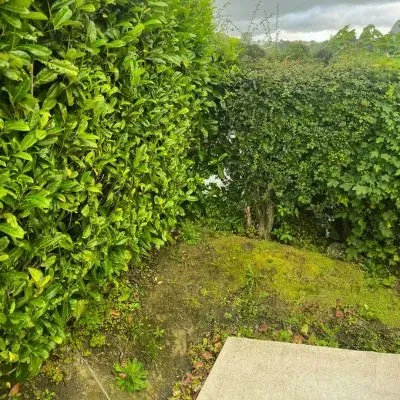
- Griselinia littoralis (Kapuka): A popular coastal-tolerant native hedge that responds well to structured seasonal shaping.
- Pittosporum cultivars: Fast-growing and dense; benefits from controlled height reduction to prevent legginess.
- Photinia ‘Red Robin’: Known for vibrant red new growth; trimming timing influences colour flush and density.
- Buxus (Box hedge): Performs best with light, regular shaping to avoid woody thinning.
- Camellia (commonly sasanqua varieties): Should be trimmed after flowering to protect bud development.
- Corokia: Hardy native hedge; clips well but benefits from airflow management to prevent internal congestion.
- Escallonia: Often used in coastal suburbs; responds better to steady shaping than aggressive reduction.
- Coprosma cultivars: Glossy evergreen foliage; tolerates trimming but performs best under consistent maintenance cycles.
Different species respond differently to timing and technique, which is why understanding plant behaviour supports healthier long-term hedge structure.
Seasonal Conditions Shape Hedge Recovery in Dunedin
Hedge growth and regrowth patterns shift throughout the year, influenced by Dunedin’s temperature variation, wind exposure, and moisture levels.
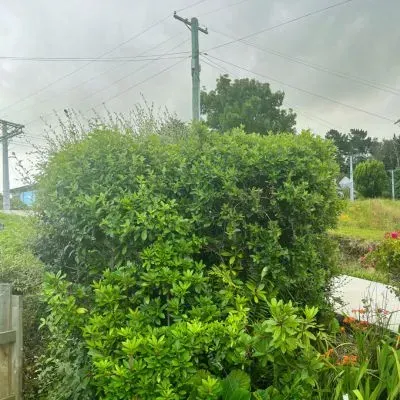
- Spring growth typically produces faster recovery and thicker regrowth.
- Late autumn cutting may reduce winter resilience in some hedge varieties.
- Frost timing can affect new shoots if trimming is done at the wrong time.
- Coastal wind exposure influences moisture retention and leaf strength.
- Wet winters can slow recovery in dense or heavily shaded hedges.
Understanding these environmental influences helps explain why hedge trimming timing and recovery can vary throughout the year.
For a broader explanation of how environmental patterns affect outdoor spaces, see our guide to local climate and yard care conditions in Dunedin City.
Why Consistency Matters More Than Heavy Cutting
Long-term hedge condition is shaped more by predictable maintenance than by occasional dramatic reshaping.
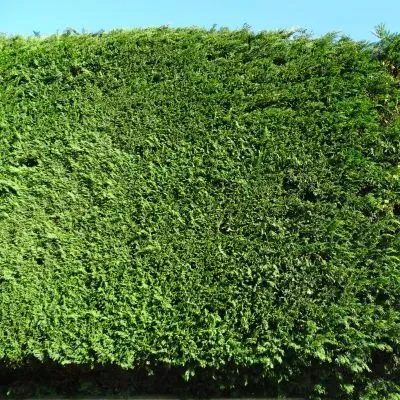
- Smaller, measured adjustments help maintain dense outer growth.
- Sudden height reduction can expose inner growth and reduce screening quality.
- Consistent shaping supports structural stability along boundaries.
- Gradual trimming maintains balance between height, width, and density.
- Hedges respond better to structured care than to reactive, infrequent intervention.
When Professional Hedge Trimming Supports Plant Health
Healthy hedge trimming requires understanding species behaviour, structural limits, safe working practices, and long-term plant response patterns.

- Recognising species-specific regrowth patterns prevents over-cutting.
- Experience helps determine appropriate trimming frequency for each hedge type.
- Safe height management protects both plant structure and operator safety.
- Understanding seasonal timing supports healthier regrowth cycles.
- Professional oversight can prevent long-term thinning or imbalance.
- Identifying when arborist input is required protects larger or higher-risk vegetation.
Next Steps for Healthier Hedge Maintenance in Dunedin
Understanding how trimming technique, species behaviour, and seasonal conditions interact is essential for maintaining dense, structurally sound hedges over time.
If you’re planning boundary hedge work or want to better understand structured hedge care, you can also learn more about our hedge-cutting services in Dunedin City.
Ready to support long-term hedge health with consistent, well-planned maintenance? Call 03 242 3172 or complete our CONTACT FORM for a fast, free, no-obligation quote!