Dunedin City Council Tree Removal Regulations
FORUDUNEDIN Lawn Mowing & Gardening outlines the Dunedin City Council 2GP regulations for residential tree removal.
Scheduled Trees and Resource Consent Requirements
Before removing or significantly altering a tree, property owners should confirm whether it is listed under the Dunedin City Council Second Generation District Plan (2GP).
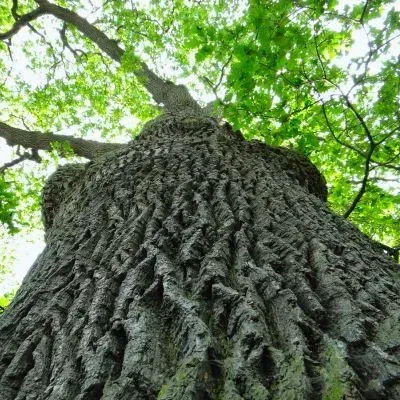
- Appendix A1.3 of the 2GP identifies over 1,200 scheduled trees and tree groups across Dunedin City.
- Scheduled trees are protected regardless of species, size, or location once listed.
- Resource consent is required to prune, alter, damage, or remove a scheduled tree.
- Protected trees are identified on official DCC planning maps using green dot symbols and reference numbers.
- Removal of a scheduled tree is generally permitted only where it is confirmed dead, hazardous, or structurally unsafe, supported by a certified arborist report.
- The DCC may contribute up to $250 toward authorised maintenance or removal of protected trees.
- Applications to add or remove trees from the schedule are assessed through formal reporting and community consultation processes.
- Understanding whether a tree is scheduled is the first step before arranging removal work.
Private Garden Trees and When Consent Is Not Required
Most private garden trees that are not scheduled can be removed without consent if modest in height and outside protected areas.
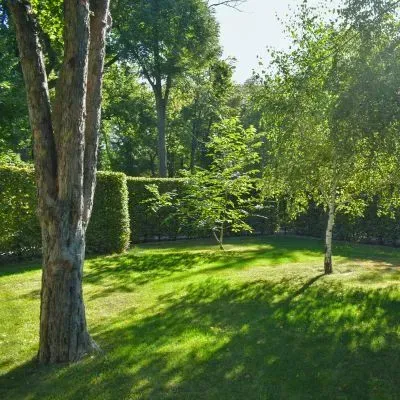
- Small to medium trees under approximately 4 metres in height are commonly removed without consent, provided they are not listed or located within a heritage or special character zone.
- Tree removal must not affect neighbouring protected vegetation or compromise shared boundaries.
- Works near retaining walls, heritage features, or significant landscape overlays may require additional assessment.
- Where uncertainty exists, checking the DCC planning maps before removal is recommended.
- Although many residential removals do not require formal approval, confirming status before cutting begins helps avoid enforcement notices or compliance issues.
Street Trees, Public Land, and Boundary Responsibilities
Trees located on public land are managed directly by Dunedin City Council and cannot be removed without prior approval.
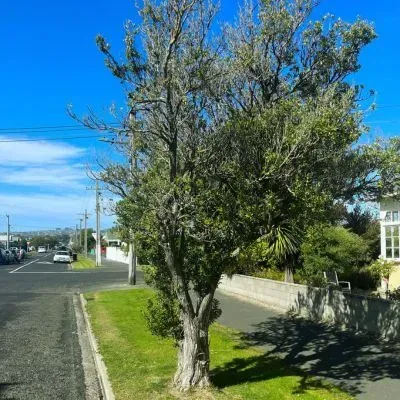
- Street trees, reserve plantings, and park trees require formal approval through the Council’s Tree Maintenance Application process.
- Dunedin City manages approximately 4,750 street trees and around 5,000 trees within parks and reserves.
- Council-managed trees are tracked using a tagging system: blue tags indicate reserve trees, green tags indicate street trees, and yellow tags indicate bushland or plantation areas.
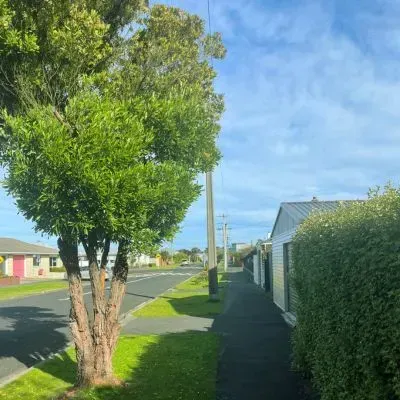
- Vegetation extending over public roads must maintain minimum vertical clearances of 2.5 metres above footpaths and 4.5 metres above roads.
- Property owners are responsible for ensuring private trees do not obstruct public access or sightlines.
- Removing or modifying a public tree without approval may result in enforcement action and cost recovery.
Emergency Tree Removal and Reporting Obligations
In situations where a tree poses an immediate safety risk, emergency removal may proceed to prevent harm or damage to infrastructure.
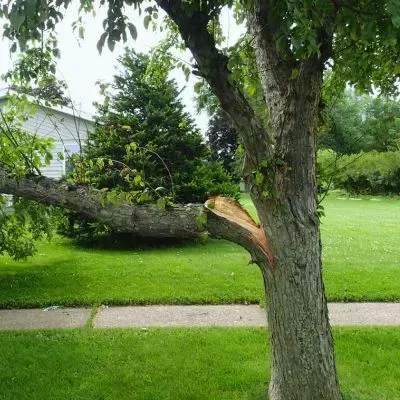
- Emergency felling undertaken to remove immediate danger must be reported to Dunedin City Council within 10 working days.
- Documentation may be required to demonstrate that the work was necessary to prevent injury or property damage.
- Tree work near overhead service lines must comply with utility safety requirements and may require coordination with approved specialists.
- Any works undertaken on public land during an emergency must still be formally notified.
- Emergency provisions allow rapid response, but reporting and documentation remain essential.
Why Council Compliance Matters for Tree Removal
Adhering to local tree protection regulations protects heritage vegetation, maintains public safety, and reduces the risk of formal notices or penalties.
Key compliance principles include:
- Confirming whether a tree is scheduled under the 2GP before removal.
- Maintaining required clearances over roads and footpaths.
- Avoiding unauthorised removal of public or street trees.
- Reporting emergency removals within required timeframes.
- Seeking professional assessment where structural risk or protected status is uncertain.
Official resources for further reference:
- Dunedin City Council - Tree Maintenance & Scheduled Trees
- District Plan Appendix A1.3 - Protected & Scheduled Trees List (2GP)
Note: Regulations and guidance are subject to change. Always review official Dunedin City Council pages for the most current information.
Next Steps for Council-Compliant Tree Removal
Understanding how these regulations apply to your property is the first step toward safe and council-compliant tree management.
If you’re planning work at your property or want to better understand what’s involved, you can also learn more about our tree clearance services in Dunedin City.
Ready for clear guidance and council-compliant tree removal? Call 03 242 3172 or complete our CONTACT FORM for a fast, free, no-obligation quote!